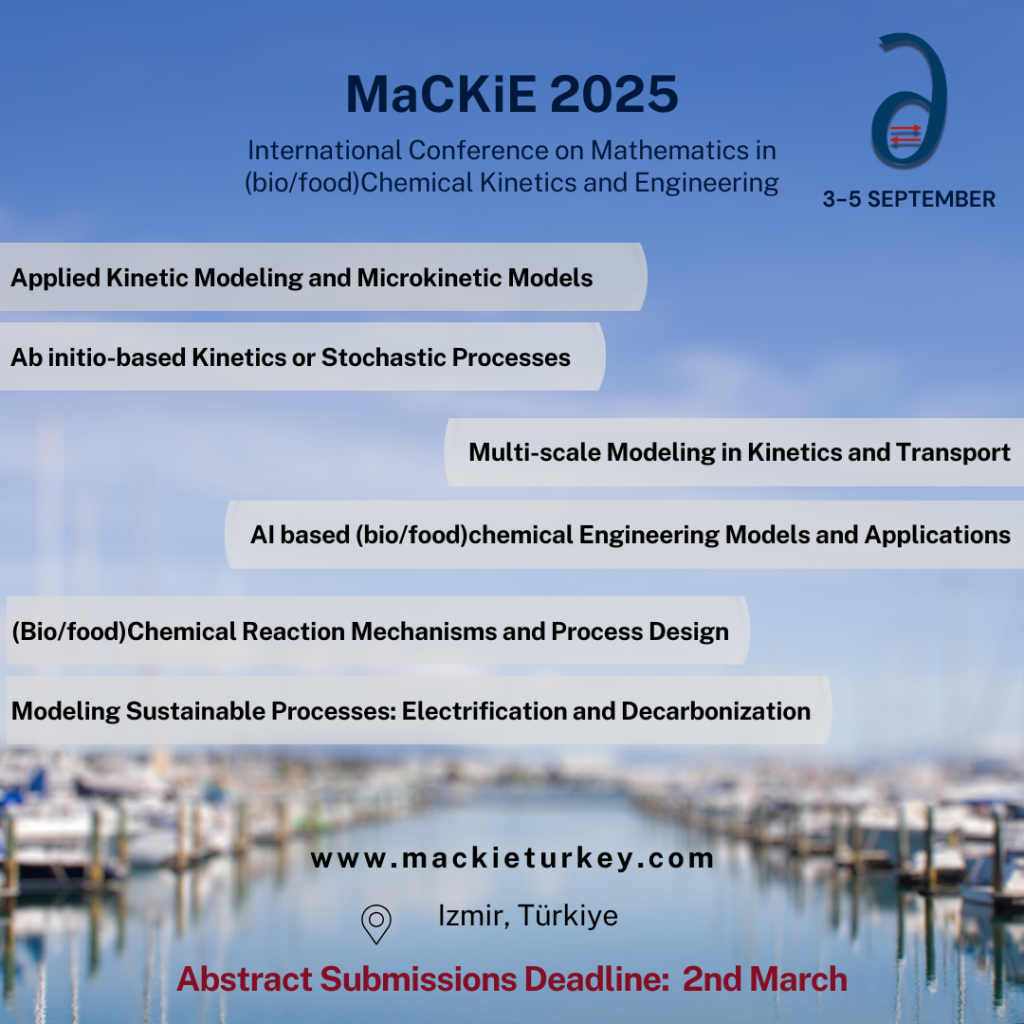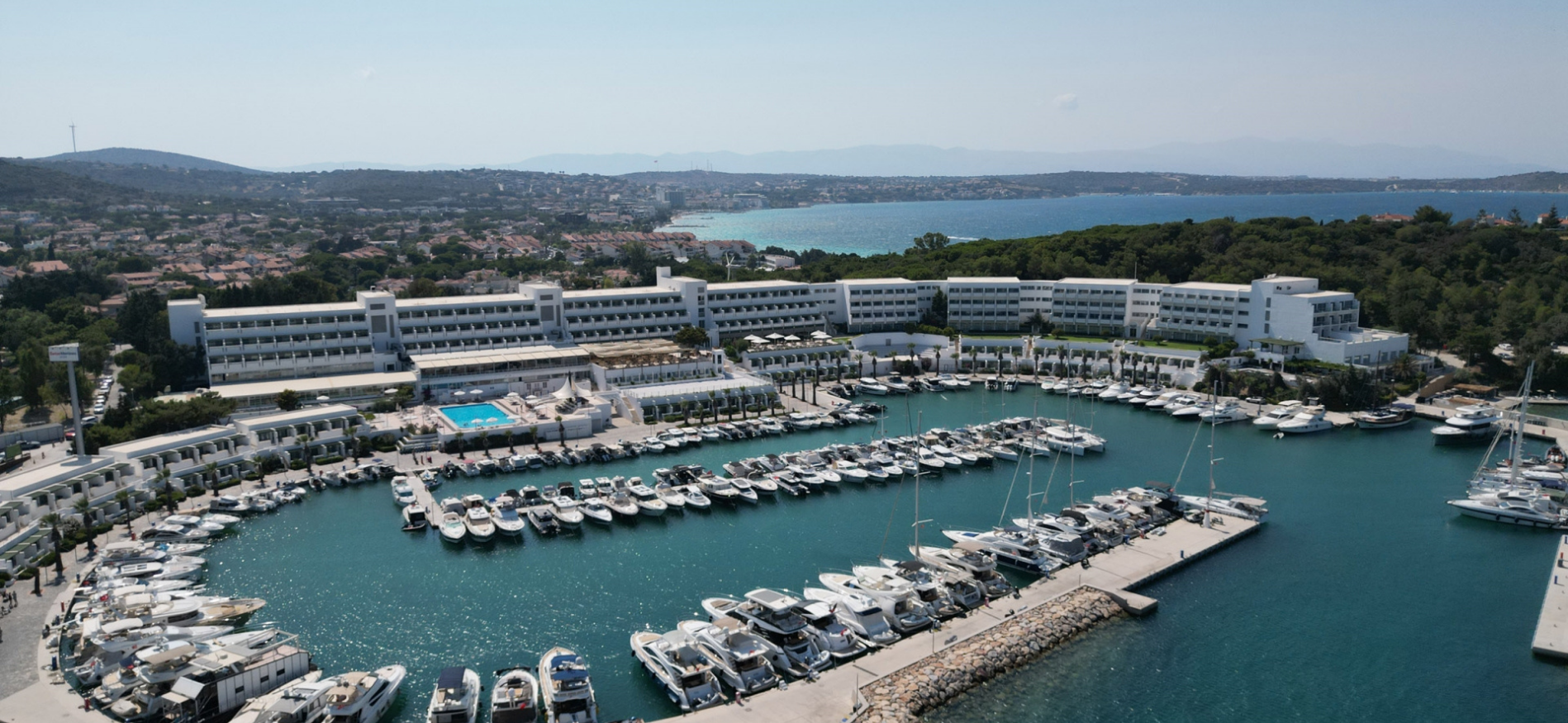
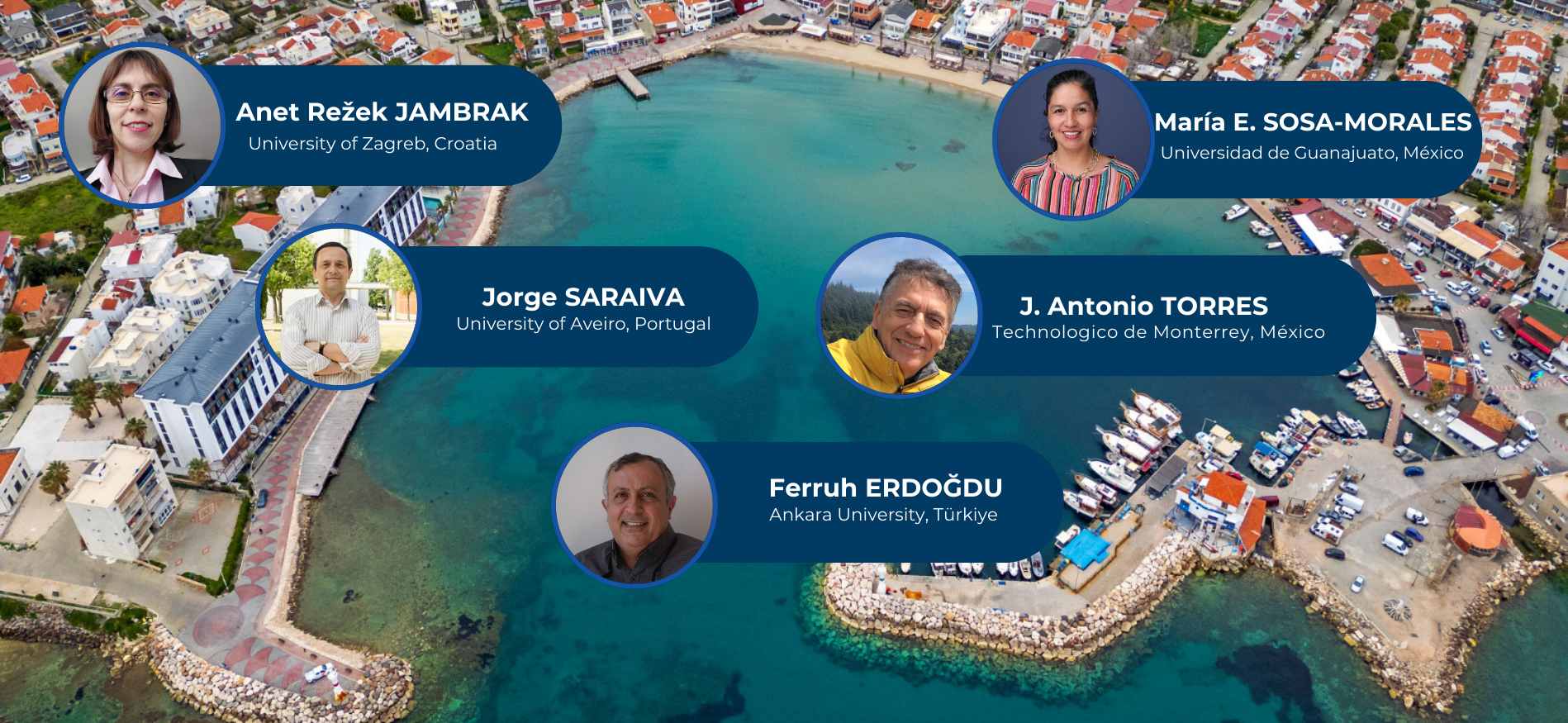
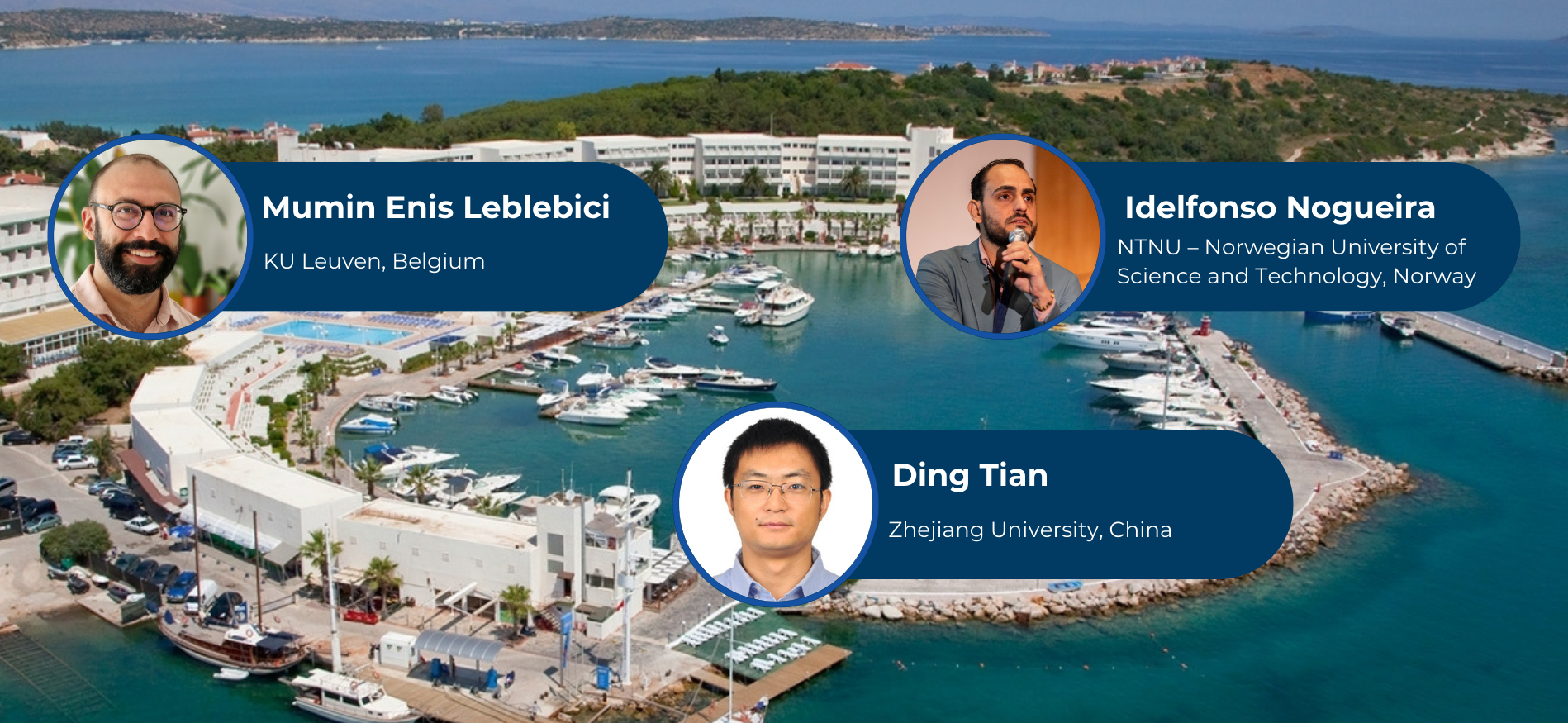
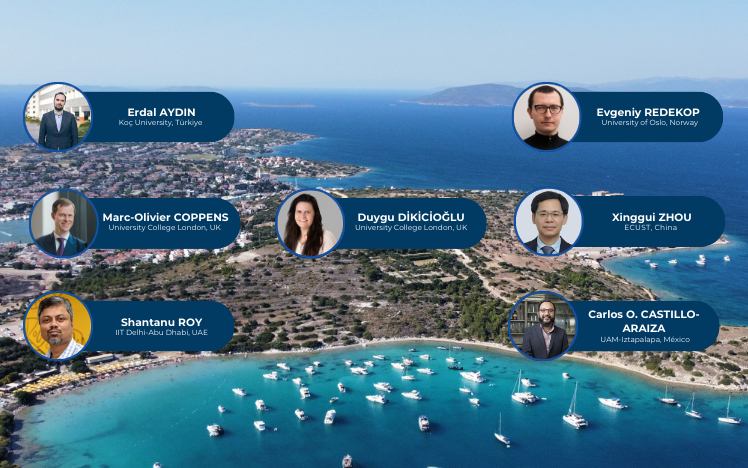
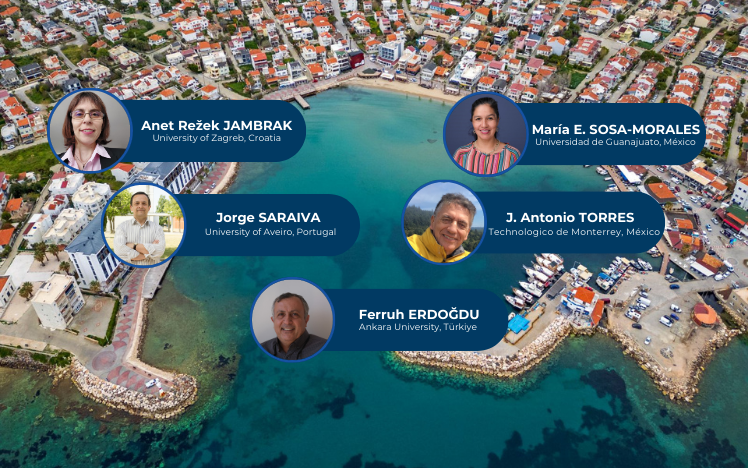
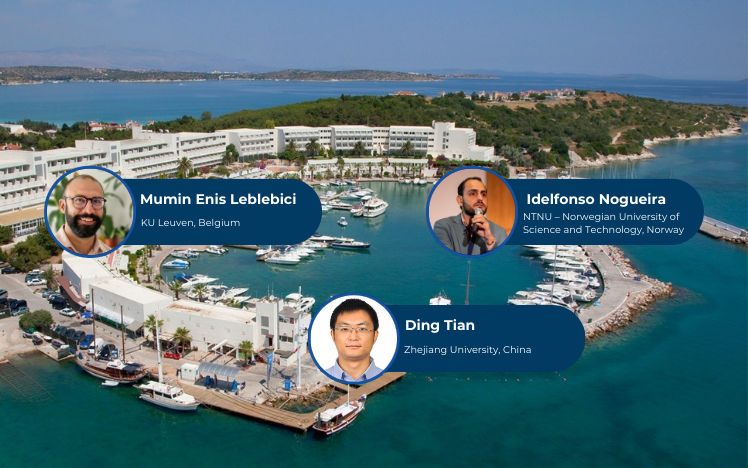
Altın Yunus Hotel & Spa MaCKiE International Conference on Mathematics in (bio/food)Chemical Kinetics and Engineering 3-5 September, 2025 I Çeşme (Izmir), Türkiye MaCKiE MaCKiE 2025 SPECIAL: Thematic Sessions on Food Engineering MaCKiE Immense thanks to our Plenary and Keynote Speakers for sharing their thoughts and ideas MaCKiE Immense thanks to our Keynote Speakers from Food MaCKiE who brought in their perspectives ! MaCKiE Thanks to our Invited Speakers from MaCKiE for sharing their thoughts and ideas

MaCKiE International Conference on Mathematics in (bio/food)Chemical Kinetics and Engineering 3-5 September, 2025 I Altın Yunus Hotel & Spa, Izmir, Türkiye MaCKiE MaCKiE 2025 SPECIAL: Thematic Sessions on Food Engineering MaCKiE Early Bird Registration Deadline:
Friday July 18, 2025
Spot Submission:
Wednesday September 3, 2025
Promotional price for Turkish participants
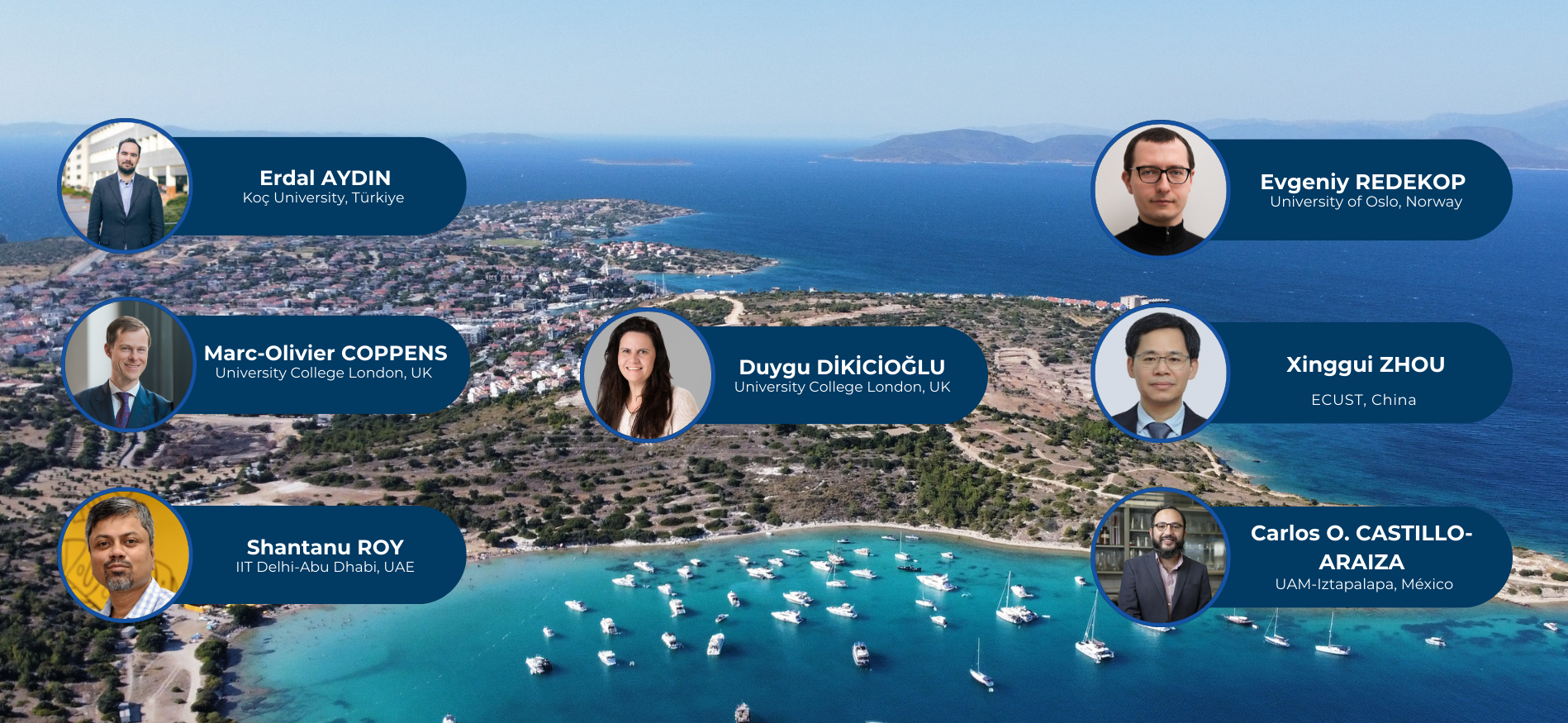
MaCKiE MaCKiE 2025 Plenary and Keynote Speakers Keynote Speakers from Food MaCKiE MaCKiE Invited Speakers from MaCKiE MaCKiE
Days
Hours
Minutes
Seconds

MaCKiE 2025 REFLECTIONS

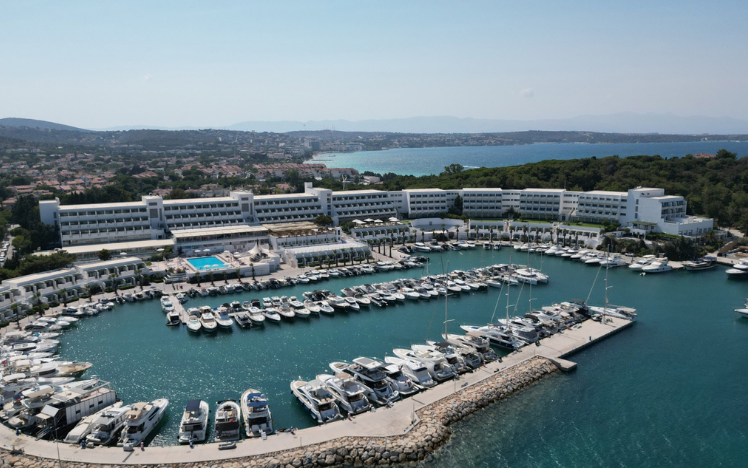
The International Conference on Mathematics in (bio/food) Chemical Kinetics and Engineering (MaCKiE) 2025 brought together over 100 academicians and researchers from around the world to the vibrant city of Izmir, Türkiye. Held from September 3-5, 2025, at the beautiful Altın Yunus Hotel & Spa in Çeşme, the event attracted experts to discuss groundbreaking ideas and innovations in (food/bio) chemical kinetics and engineering. The historic city of Izmir, with its rich cultural heritage and stunning Aegean coastline, provided an inspiring backdrop for fruitful exchanges among participants.  

The acronym MaCKiE, coined by Guy B. Marin, Grigoriy Yablonsky, and Denis Constales from Ghent University in Belgium, carries a unique significance. Phonetically akin to the Dutch word “makkie”—meaning something easy or a ‘walk in the park’—it captures the spirit of the conference: bringing complex ideas and research into an accessible and engaging forum. In addition, the name evokes the Turkish word “maki”, referring to the resilient vegetation that emerges after a forest fire. This metaphor represents the nurturing of new ideas, much like how MaCKiE aims to foster emerging thoughts and innovations in chemical kinetics and engineering. At MaCKiE 2025, this metaphor took life as scientists and engineers shared their work, contributing to the growth and vitality of the field.

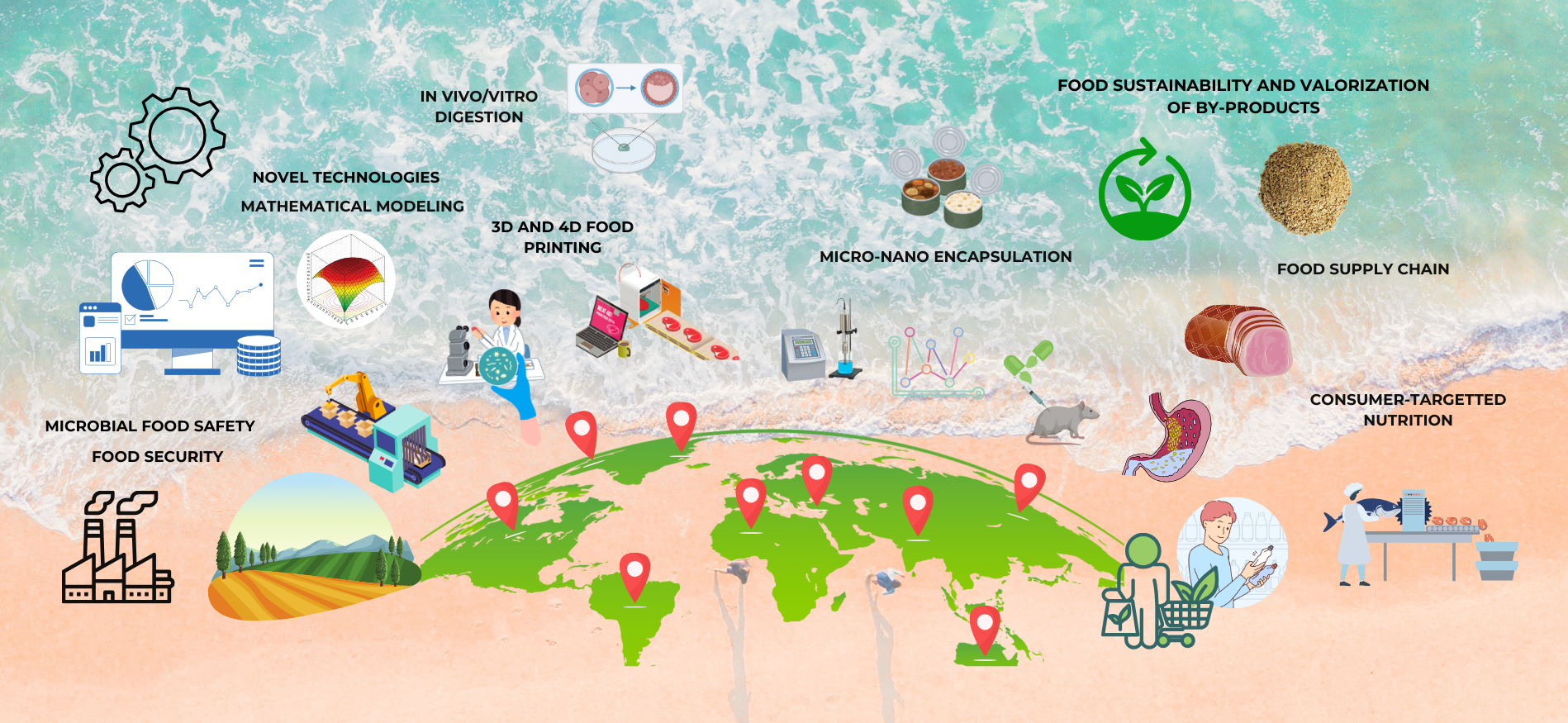
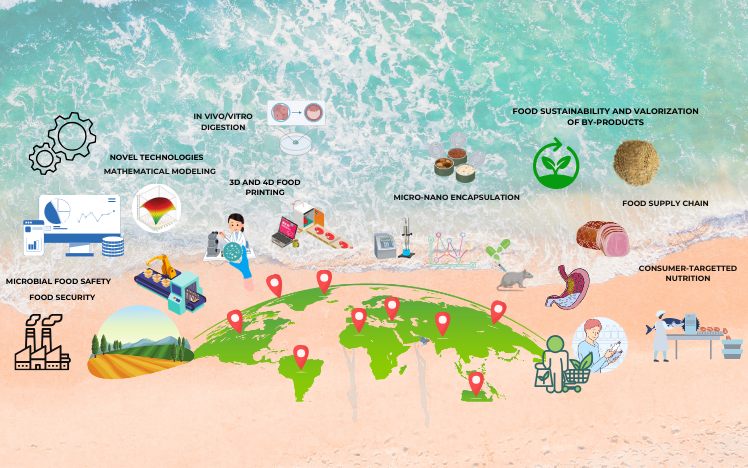
In this edition of the MaCKiE conference, a new track was introduced: FOOD MaCKiE 2025. This special initiative focused on physics-based modeling for food processing, exploring the kinetics behind microbial and chemical changes during food production. The program also emphasized sustainability in the food industry, including the use of byproducts, waste recycling, and exploring novel food sources and ingredients. This addition to the MaCKiE series offered fresh insights into the intersection of chemical engineering and food science. 

MaCKiE 2025 marked the eleventh event in a long-standing series that began in 2002. Previous conferences have been held in locations such as in Ghent, Belgium (2002, 2009, 2015, 2018), Houston, USA (2007), Heidelberg, Germany (2011), Chennai, India (2013), Budapest, Hungary (2017), Shanghai, China (2021) and Berlin, Germany (2023). As the conference continues to evolve, MaCKiE remains a cornerstone for fostering international collaboration and advancing the application of mathematical modeling in chemical and biological processes. 

We look forward to welcoming you in the next edition of MaCKiE 2027 in Portugal !


                                                                                                  Abhishek Dutta 
                                                                                                Conference Chair 

Previous slide
Next slide

Conference Themes

Expanding the Fundamentals

Explores the role of applied kinetic modeling and microkinetic models in optimizing chemical processes. Focuses on the insights that drive advancements in catalysis, reaction engineering, and process optimization.

Explores the role of stochastic processes in understanding chemical and biological kinetics at the molecular level. Focuses on the advanced stochastic simulation techniques to capture the intricacies of reaction dynamics in gas or liquid phase, including catalytic and cellular environments.

Resolving Complexity and Challenges

Explores the integration of multi-scale modeling techniques to understand the relation between kinetics and fluid dynamics in complex chemical and biological systems. Focuses on the coupling between models that describe microscopic, mesoscopic or macroscopic behavior.

Explores the transformative impact of artificial intelligence (AI) in dynamic processes by integrating innovative data-driven techniques, such as machine learning. Focuses on the application of Al based methods to analyze kinetic data, predict process outputs, and develop real-time control strategies for chemical and biological processes.

Explores the kinetics for biochemical reactions and structural changes. Micro- and nano-encapsulation of process- and digestion-sensitive molecules. Raw, minimally processed, optimally processed, and overprocessed foods. Chemical characterization of functional biomolecules, ingredients and foods.
Explores conventional and omics characterization of functional biomolecules for healthy growth, aging, and food technology applications. Examines human interactions with food through simulations and the bioavailability of functional molecules.

Application to New Processes

Explores understanding of how molecular interactions and kinetics can optimize the design and efficiency of processes in chemical and biological processes. Focuses on advancements in reactor design, enhancing productivity, and addressing challenges in industrial applications, such as food processing and waste management.

Explores new chemical processes with use of modeling and applied mathematics. Welcomes the use of novel reaction engineering and processing methods, such as electrochemistry, plasmas, high pressure, microwave, ultrasound, etc., and focuses on how innovative models can simulate, optimize and improve sustainable processes, with the aim of increasing energy efficiency and reducing CO2 emissions.

Explores green technologies for development of valorization processes for byproducts and waste. Packaging and processing compliance with circular economy principles. Innovations and commercial challenges for sustainable food manufacturing. Innovations and challenges of 3D and 4D food printing.

Explores mathematical modeling for food manufacturing in Industry x.0. Digital twin applications with AI and ML. Mathematical modeling and applications of conventional and novel processing technologies. Microbial and enzyme inactivation by novel technologies.

MACKIE WORKSHOPS

Probabilistic Food Product, Processing and Packaging Engineering Design

Covered practical tools to manage model and data variability and uncertainty to obtain designs meeting targets with a specified confidence level. Knowledge to be acquired by hands-on shelf-life, safety and cost determinations based on published data and to optimize design parameters, ensuring robust decision-making in real-world scenario. The workshop spread out in two days was a success. 

Lecturer: Prof. Dr. J. Antonio Torres (Tecnológico de Monterrey, Mexico) spread throughout 03.09.2025 and 04.09.2025 , in-person

(Bio/Food) Chemical Engineering Simulations: CFD and ML Techniques for Fluid Flow and Heat Transfer

Provided hands-on experience with OpenFOAM (one of the leading open-source CFD tools) and Physics-informed Neural network (PINN) (one of the emerging Machine Learning techniques), to simulate fluid flow and heat transfer processes in engineering respectively. Knowledge and insights to be acquired is how to model and optimize real-world (bio/food) chemical engineering industrial problems and enhance understanding of transport phenomena.
The one day workshop was a success. 

Lecturers: Nikhil Bhamare and Meltem Turan (Simuligence, Lithuania), 07.09.2025, full day on-line. 

OUR Special Issue Journals

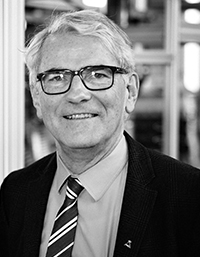
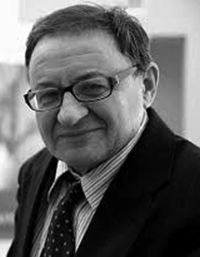
Founding Members of MaCKiE

Professor Emeritus Guy B. Marin

Guy B. Marin is a founding member of the Laboratory for Chemical Technology (LCT) and the Center of Sustainable Chemistry (CSC) at Ghent University. Prior to that, after a stay as Fulbright fellow at Stanford University and its spin-off Catalytica Associates, he has been teaching at the Department of Chemical Engineering and Chemistry of Eindhoven University of Technology. His research on chemical kinetics and reactor engineering, focusing on modeling and designing chemical processes, led to the spinoff company AVGI BV. That year, he was elected to the Royal Flemish Academy of Belgium for Sciences and Arts. He co-authored two books and over 700 high-impact papers and is co-editor-in-chief of “Current Opinion in Chemical Engineering.” His ERC Advanced grant fostered transdisciplinary work on process intensification and circular economy transition.

Professor Grigoriy S. Yablonsky

Grigoriy S. Yablonsky is a Professor at Washington University in St. Louis, USA. He is a renowned expert in chemical kinetics and engineering, with a focus on heterogeneous catalysis. His theory of critical kinetic behavior, co-developed with Valeriy Bykov, is widely applied by global research teams. Yablonsky collaborated with Alexander Gorban on chemical thermodynamics and irreversible reaction theory. He co-authored Kinetics of Chemical Reactions: Decoding Complexity with Guy Marin and Denis Constales and partnered with John Gleaves to enhance catalyst characterization through the TAP technique. Yablonsky, Marin and Constales introduced the innovative ‘joint kinetics’ approach, analyzing experimental "batteries" to reveal chemical mechanisms. An Honorary Professor at Ghent University, he received the James B. Eads Award (2013) and the MaCKiE Lifetime Achievement Award.

Dr. Denis Constales

Denis Constales is an Associate Professor in the Faculty of Engineering and Architecture at Ghent University, specializing in applied mathematical analysis. His research spans classical and numerical analysis, chemical engineering, kinetics, surveying, and hypercomplex analysis. He has made significant contributions to modeling chemical processes, focusing on reaction kinetics and catalyst deactivation. His work applies integral transforms and special functions to solve complex engineering problems. With over 100 publications, Denis Constales is a prolific researcher and a dedicated educator, mentoring students in mathematical analysis and its engineering applications. His interdisciplinary approach bridges theoretical mathematics and practical engineering, addressing real-world challenges through innovative mathematical solutions.

Organizing Members of Mackie 2025

Kevin Van Geem

Conference Co-Organizer
Ghent University, Belgium

Abhishek Dutta

Conference Principal Organizer
Izmir Institute of Technology, Türkiye

Necip B. Üner

Conference Co-Organizer
Middle East Technical University, Türkiye

Abhishek Dutta

Conference Principal Organizer
Izmir Institute of Technology, Türkiye

Necip B. Üner

Conference Co-Organizer
Middle East Technical University, Türkiye

Kevin Van Geem

Conference Co-Organizer
Ghent University, Belgium

Organizing members of Food MaCKiE 2025

Esra Çapanoğlu Güven

Istanbul Technical University, Türkiye

Semanur Yıldız Özdemir

Sakarya University, Türkiye